

Understanding the Psychology of Gambling
The world of gambling is often intertwined with a complex interplay of psychology, strategy, and chance. Many players approach casinos with certain beliefs about how to win, how luck works, or how to control outcomes. These beliefs, while not always scientifically grounded, can significantly influence a player’s behavior, decision-making, and overall experience at the gaming table or slot machine. Understanding these psychological underpinnings is crucial for anyone looking to navigate the gambling landscape more effectively, and resources like https://wintheregb.org.uk/ can offer further insights into related community support.
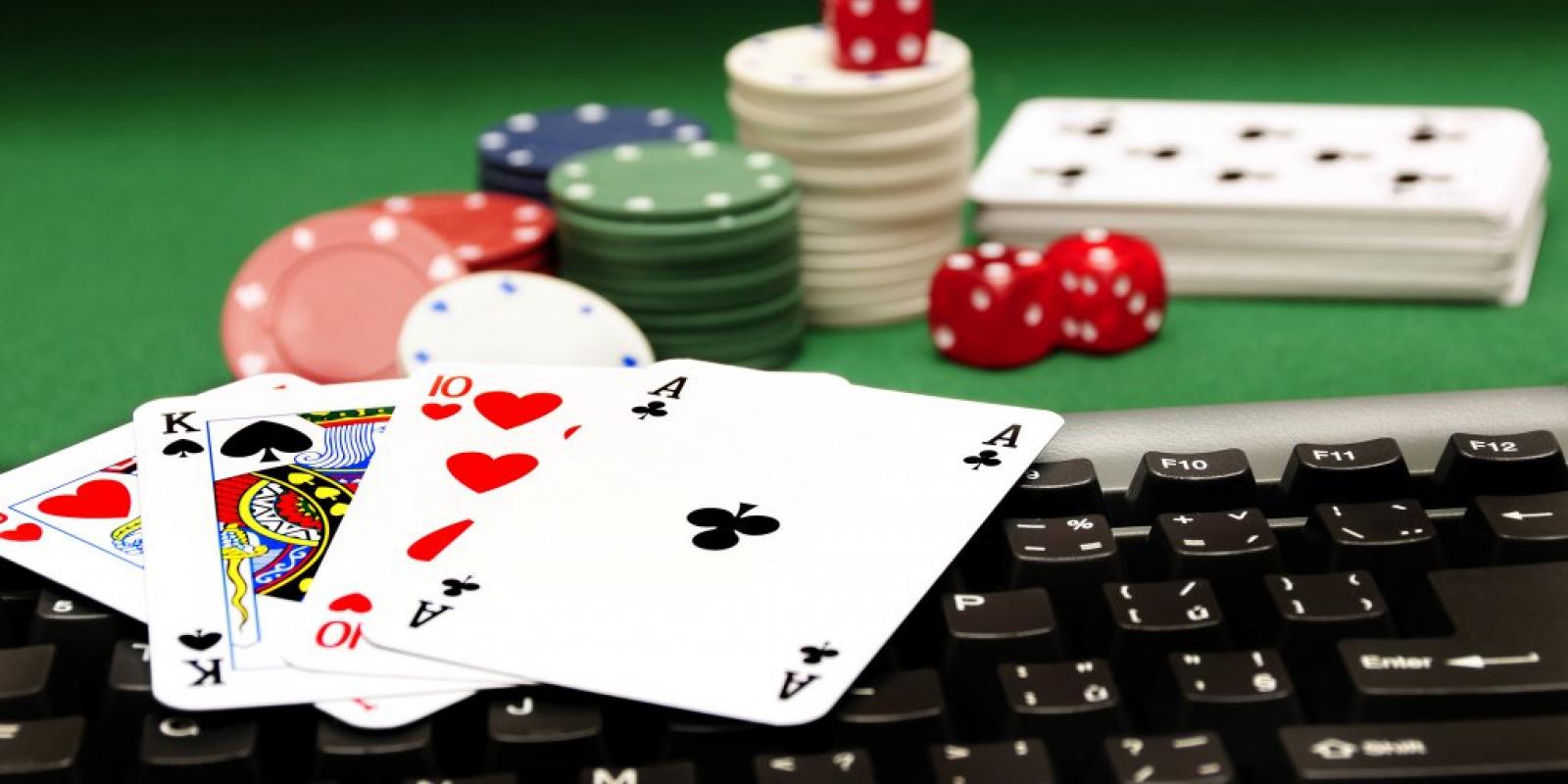
Common beliefs can range from the idea that hot streaks are controllable or that certain rituals bring good luck. While the thrill of a potential win is a primary motivator, the underlying psychological drivers are what keep players engaged. Recognizing these internal dialogues and cognitive biases is the first step towards developing a more informed and potentially more successful approach to gambling activities. This self-awareness can help in making rational choices rather than being swayed by emotional responses or unfounded optimism.
The Role of Strategy and Skill in Casino Games
While many casino games are built on a foundation of chance, the element of strategy can play a surprisingly significant role in certain games. Games like blackjack or poker, for instance, involve decision-making that can directly impact the odds of winning over time. Players who invest in learning optimal strategies, such as basic blackjack strategy or poker hand rankings, can theoretically improve their long-term results compared to those who play purely on instinct or luck.
However, it’s vital to distinguish between games of pure chance and those with a strategic component. Slots, roulette, and baccarat are largely determined by random number generators or the spin of the wheel. In these instances, belief guides might focus more on bankroll management and understanding payout structures rather than attempting to influence the outcome. For games involving skill, continuous learning and practice are key to honing one’s strategic acumen, though even the best strategy cannot overcome inherent house advantages in the long run.
Managing Your Bankroll: A Foundational Belief
Perhaps the most critical belief any gambler can adopt is the paramount importance of bankroll management. This principle dictates that players should only gamble with money they can afford to lose, setting clear limits before they begin playing. Establishing a budget for gambling sessions, both in terms of time and money, prevents impulsive decisions that can lead to significant financial distress. A disciplined approach to bankroll management is not about guaranteeing wins, but about ensuring sustainable enjoyment and preventing the activity from becoming detrimental.
Adhering to a strict bankroll management strategy involves setting win goals and loss limits for each gaming session. When these predetermined thresholds are reached, it’s time to walk away, regardless of the current game’s momentum. This discipline is often easier said than done, as the excitement of gambling can cloud judgment. However, cultivating this belief in responsible financial handling is fundamental to a positive and long-term gambling experience, allowing players to enjoy the entertainment value without risking their financial well-being.
Dispelling Myths and Superstitions in Gambling
The gambling world is rife with myths and superstitions, from lucky charms and numbers to specific seating arrangements at a table. While these beliefs can add to the mystique and excitement of the casino floor, they are generally not based on factual evidence and have no bearing on the actual outcomes of games of chance. Understanding that these are psychological crutches or forms of entertainment, rather than reliable methods for influencing probability, is a vital step in developing a rational approach.
For example, the belief that a slot machine is “due” for a payout after a long dry spell is a misconception known as the gambler’s fallacy. Modern slot machines use random number generators that ensure each spin is independent. Similarly, thinking that changing your seat or wearing a particular item of clothing will change your luck is superstition. Embracing the reality of probability and random outcomes allows players to focus on enjoyable aspects of gambling, such as the atmosphere and the thrill of the game, without falling prey to unfounded expectations.

Exploring Winchester REGB’s Approach to Responsible Gaming
While the title might suggest a focus on player beliefs for personal gain, it’s crucial to acknowledge the broader context of responsible gambling. Organizations like Winchester REGB often play a pivotal role in promoting a healthy and safe environment for those engaging with gambling. Their initiatives typically center on educating individuals about the risks associated with gambling and providing resources for those who may be experiencing difficulties. This approach emphasizes that responsible gambling is not just about winning, but about maintaining control and seeking help when needed.
Winchester REGB’s commitment to this area likely involves providing information on setting limits, recognizing signs of problem gambling, and offering pathways to support services. By fostering a culture of awareness and providing accessible resources, they contribute to a more secure gambling landscape. Their work underscores the belief that the primary goal of any gambling-related activity should be entertainment, and that player well-being is of the utmost importance, guiding individuals towards informed decisions and healthy habits.